2 July 2026
A One Health approach to disease outbreak investigation
By Dr. Rukayyah Abdulsalam, DVM
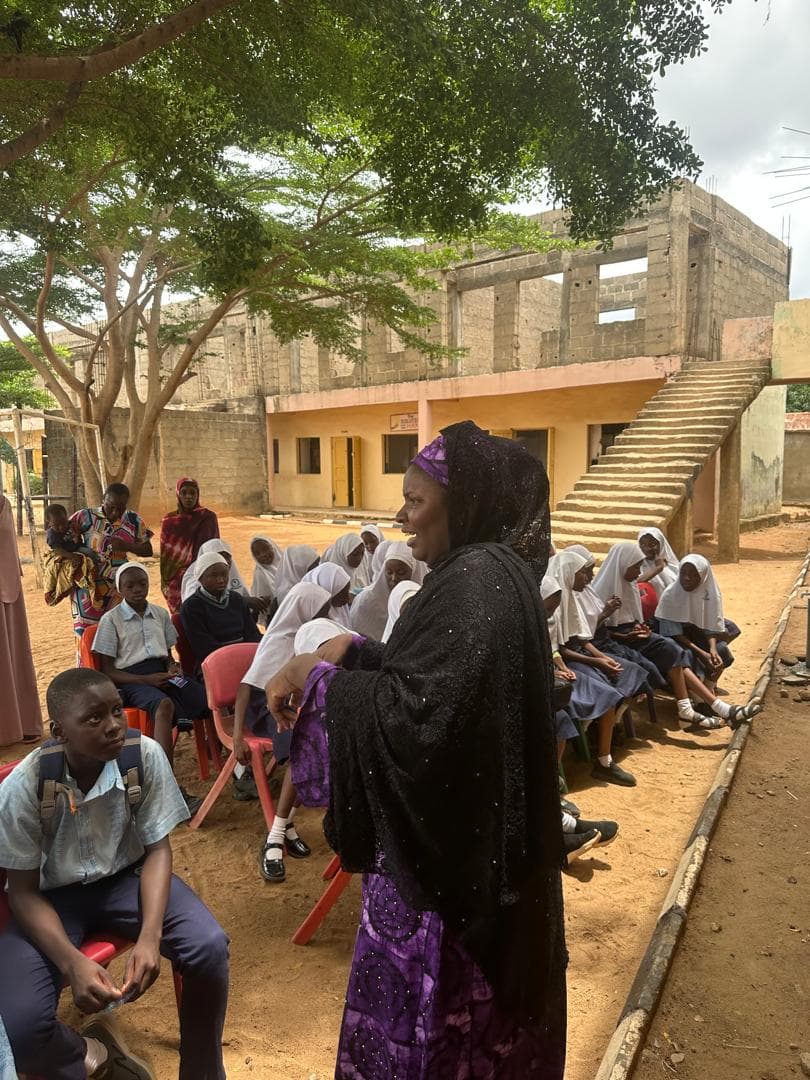
When sickness appears suddenly in a community, it is tempting to look at one thing at a time: the animals that died, or the people who fell ill, or the water that looked unclean. One Health is the understanding that these are rarely separate problems. The health of animals, people, and the shared environment is one connected system, and an outbreak is usually a signal from all three at once.
Why the connections matter
Many of the diseases that affect livestock can also affect the people who live and work alongside them. They can travel through shared water, through handling of animals, through food, and through the everyday closeness of rural life. If you investigate only the animals, you can miss where the illness is really coming from, and you can miss the people who are quietly at risk.
Reading the whole picture is what makes an investigation reliable. An answer that explains the animals but ignores the water, or explains the people but ignores the herd, is usually an incomplete answer.
How an investigation begins
Good outbreak work starts with careful looking, not quick conclusions. When did the first cases appear, and in what, animals, people, or both? Where are they clustered? What changed recently: a new animal brought in, a change in the water, a movement of herds, a season turning? These early questions shape everything that follows.
From there, the work is patient. Talking to the households affected. Observing how animals are kept and how people live near them. Noticing the shared points, the well, the market, the grazing route, where an illness could pass between them. It is less about a single test and more about assembling a story that holds together.
Why community trust is part of the method
An outbreak investigation depends on honest information, and honest information depends on trust. People share what they have seen when they believe it will help rather than punish them. This is why working through existing community relationships matters, and why education is part of the response, not separate from it. A community that understands how disease moves becomes an early warning system of its own.
The point of the whole picture
The goal of a One Health investigation is not only to explain what happened, but to reduce the chance of it happening again. When you understand how a disease moved between animals, people, and their surroundings, you can act at the point that protects all three. That is the real value of looking at the whole system: the response fits the problem, because the problem was finally seen in full.
Written by
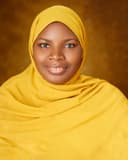
Dr. Rukayyah Abdulsalam, DVM
Founder and principal consultant, Plush Agri Solutions. Kaduna State, Northern Nigeria.